
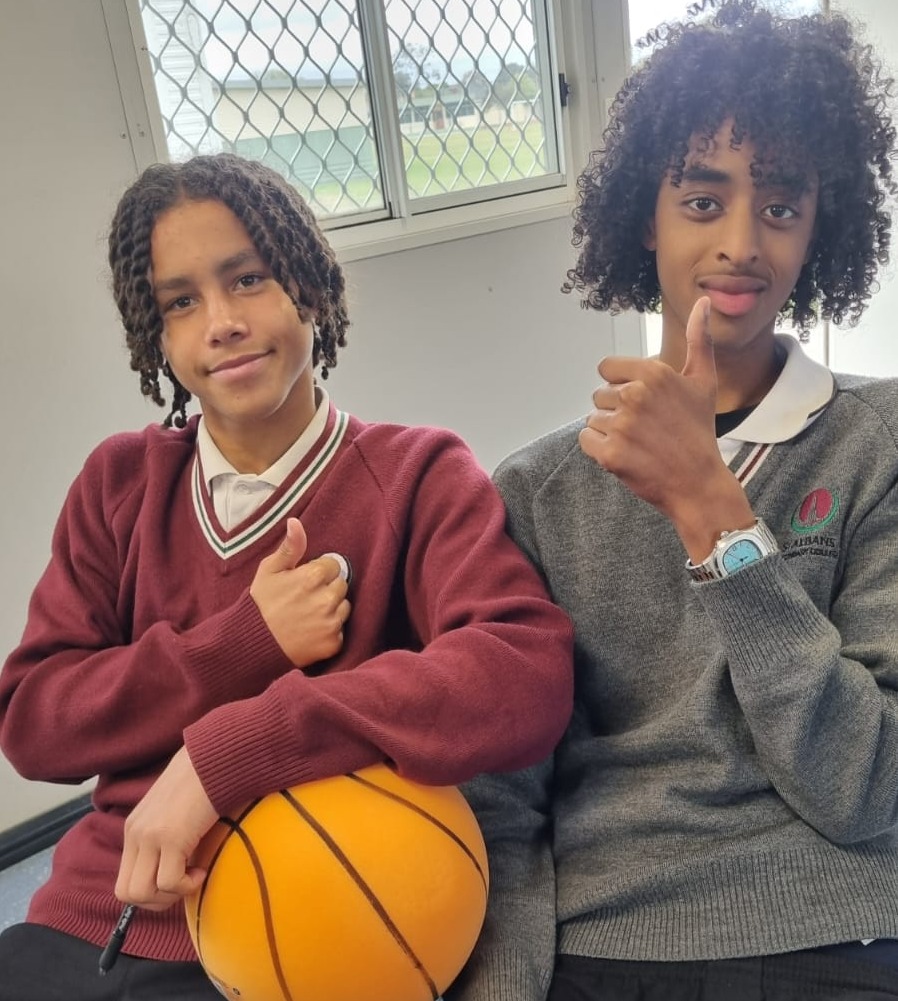
A $150,000 grant from The Ross Trust aims to keep young African Australian students connected to education.
The grant will fund a project coordinator to work with schools across Melbourne’s northern and western suburbs, while educators will receive training in cultural competency and trauma-informed practice.
“This will help schools better understand and respond to the layered pressures many African Australian students carry,” said Dr Berhan Ahmed, the founder of the not-for-profit organisation, Africause.
Dr Ahmed’s own experience as a teenage refugee and displacement, discrimination and poverty shapes Africause’s approach to the young people it serves.
Now an Adjunct Professor at the University of Melbourne, Dr Ahmed is dedicated to empowering African Australian youth and families through education, employment and social inclusion.
“African Australian young people routinely experience racism and discrimination which makes them feel alienated from the broader community,” he said. “But they’re not always better understood at home by their parents and carers, who may have spent years, or decades, in refugee camps and have trauma of their own.
“These young people are vulnerable to sophisticated criminal gangs that recruit on or near school grounds, offering a pathway out of poverty, status and a sense of belonging.”
The two-year grant from the Ross Trust means Africause can focus on keeping young people supported and connected to education, and train 400 teachers in cultural competency and trauma-informed practice.
RMIT’s Centre for Innovative Justice will establish a continuous improvement framework and undertake a yearly independent audit of project progress.
The Ross Trust Executive Officer Meghan Weekes said the need for the work is very strong, given the overrepresentation of African Australian people, particularly South Sudanese Australian young people, in Victoria’s youth justice custody data.
The grant comes at a pivotal moment for Africause. In June, the organisation secured a $1.1 million grant over three years from the Department of Home Affairs for broader crime-prevention work with at-risk African Australian families.
“Our contribution will complement that funding, focusing specifically on the education-facing side of the work,” Meghan said.
Read more about the work of Africause.